IRAN is tightening its grip on the Strait of Hormuz, asserting a new level of control over one of the world’s most critical oil transit chokepoints, an Israeli analyst said on Wednesday (May 20).
The development comes as nations seek to replenish strained energy supplies amid ongoing conflict, with shipping routes increasingly influenced by Tehran’s approval system.
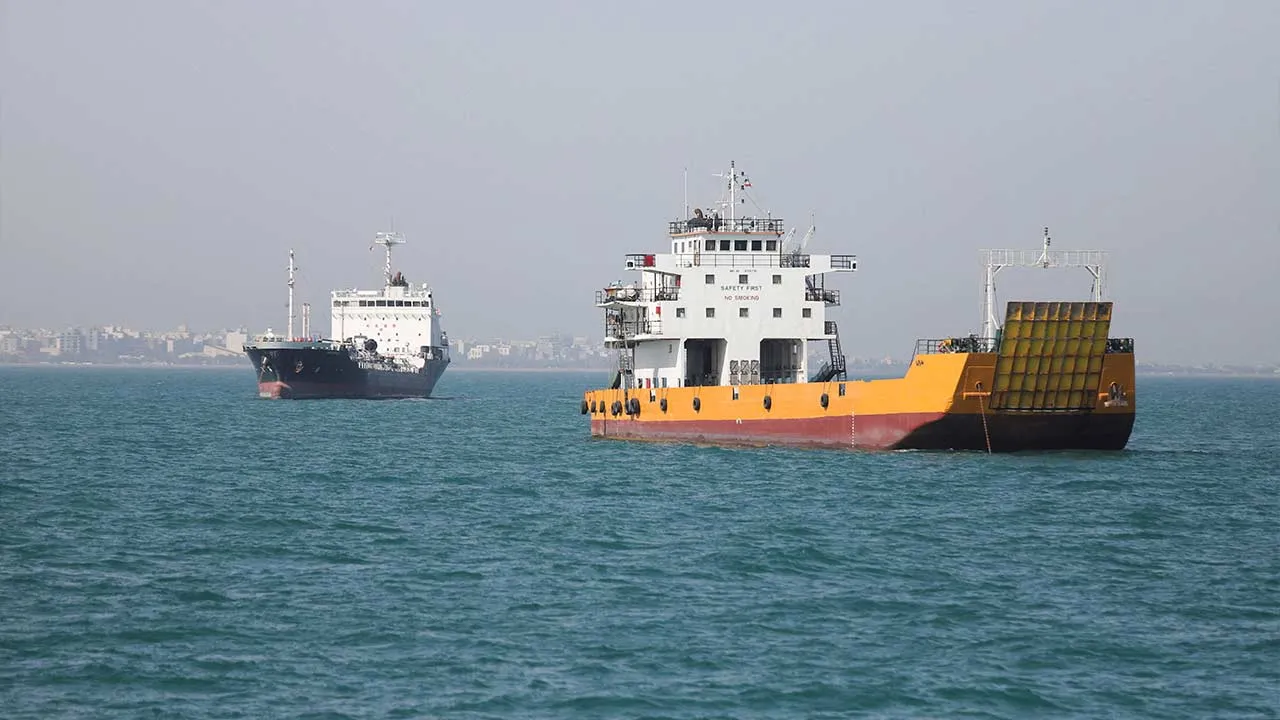
Israeli analyst Danny Citinowicz described a formalised process now governing tanker movement. “In order to get out from the strait, all the tankers need to approach Iranian authorities that now establish a bureaucracy process,” he said.
Ships must file requests through Iran’s Foreign Ministry, which are then passed to the navy, including the Revolutionary Guard. “Only after they will get the approval… only then they can get out from the strait,” he added, noting that fees may also be imposed as part of the process.
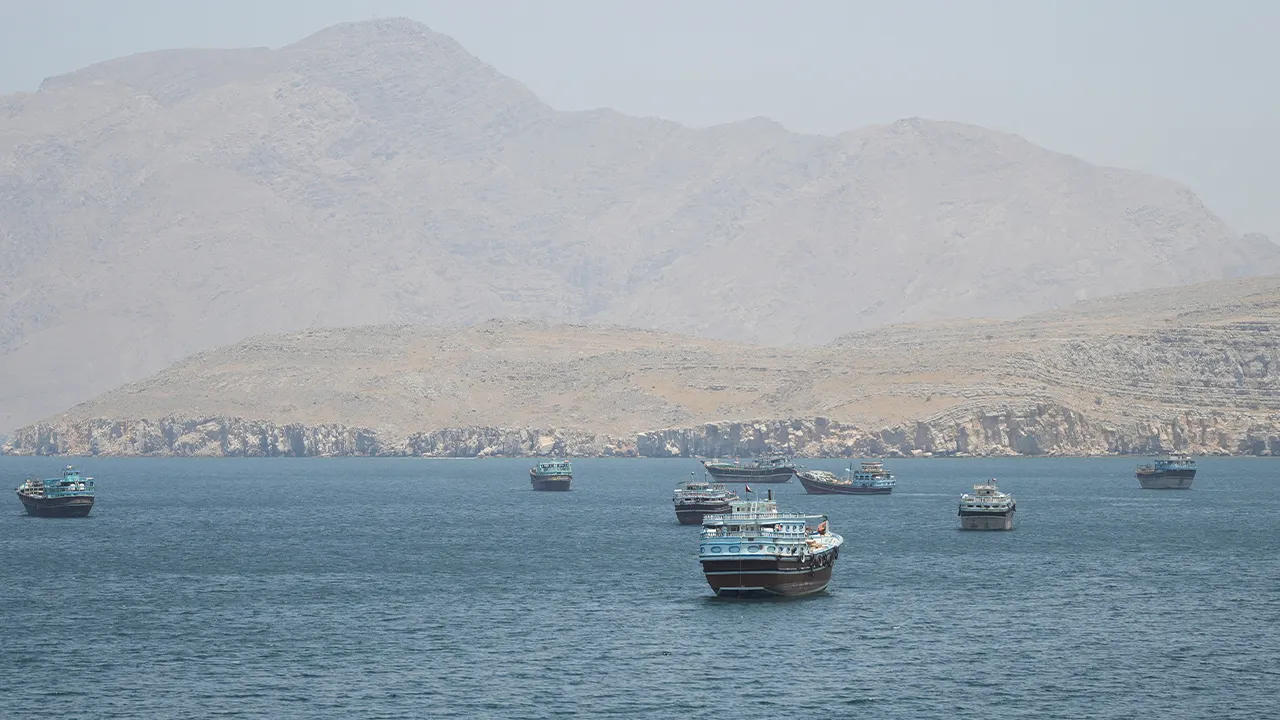
Marine traffic data and timelapse imagery showed continued congestion and careful navigation through the narrow waterway, while footage from Oman’s Musandam peninsula captured vessels lingering in and around the strait.
Citinowicz said the current situation leaves little room for manoeuvre. “For now, the status quo means one thing: that ships cannot go through the strait without the approval of the Iranian authorities. And unfortunately, it’s not going to change,” he said.
He warned that any attempt by the United States to alter the situation militarily could trigger escalation. “If the U.S. will try to change this situation, then eventually the Iranians will attack them and escalation will be actually inevitable,” he added.
Beyond security, Iran appears to be leveraging its position for broader strategic aims, favouring ships linked to allies such as China and Russia, followed by countries with closer ties to Tehran, while others may require government-to-government arrangements. This gives Iran significant discretion over which vessels are allowed to pass.
“So it's not only the economical one, it's not only the security one, but also the political one,” Citinowicz said. “The Iranians actually will choose which kind of tankers will move through the strait, for example, Chinese, Indians, because they want to enhance the cooperation with them.”
As a result, he said, the Strait of Hormuz is becoming not just a maritime chokepoint, but a tool of geopolitical influence, with global energy flows increasingly dependent on decisions made in Tehran.