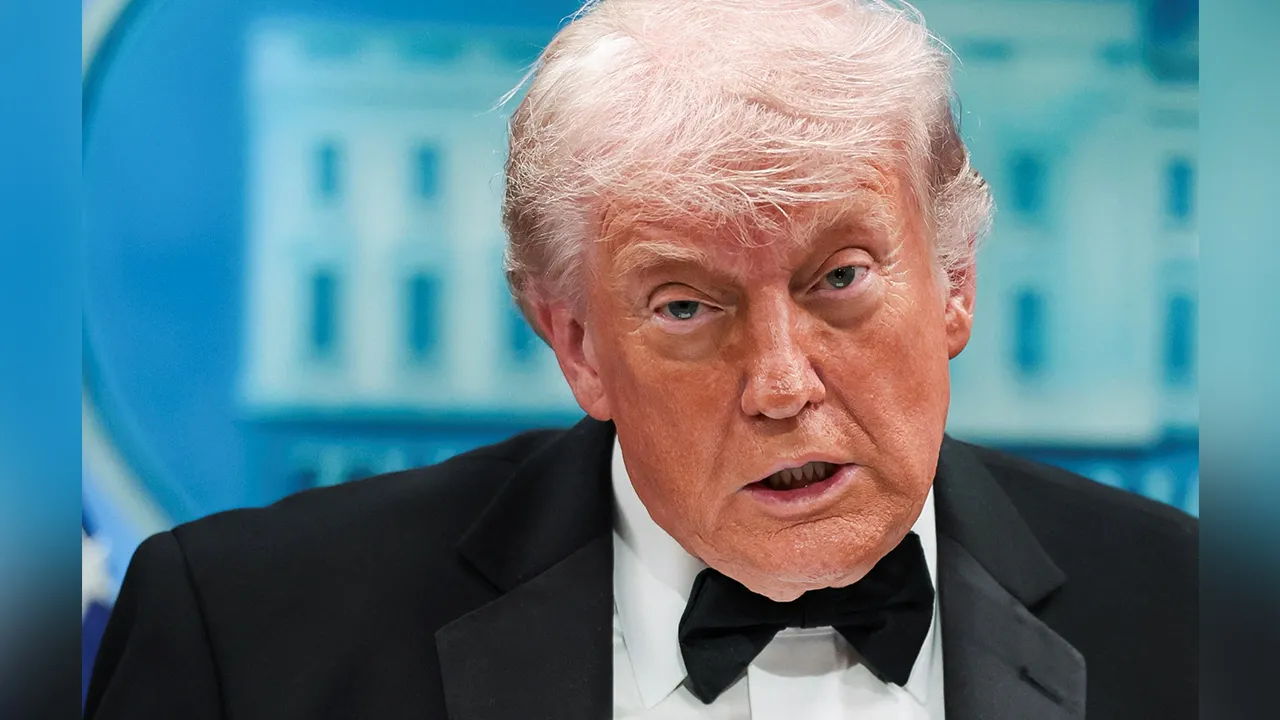
US President Donald Trump on Thursday said he had postponed signing an executive order on AI because he did not like certain aspects of it and did not want to take any steps that might undermine the U.S. position in its AI competition with China.
Trump had planned to sign the order at a ceremony on Thursday afternoon attended by CEOs of AI companies.
U.S. media outlets including Semafor and the Washington Post reported the administration's plans were put on hold following a push from xAI founder Elon Musk and Meta CEO Mark Zuckerberg, as well as former Trump AI adviser David Sacks.
Replying to a post on X about the reporting, Musk said, "this is false," adding: "I still don't know what was in that EO and the president only spoke to me after declining to sign."
Meta and Sacks' venture capital firm Craft Ventures did not immediately respond to Reuters' requests for comment outside regular business hours.
TRUMP SAYS HE DOESN'T WANT TO HOLD BACK U.S. AI
"I think it gets in the way of, you know, we're leading China, we're leading everybody, and I don't want to do anything that's going to get in the way of that lead," Trump told reporters in the Oval Office.
The order would create a voluntary framework for AI developers to engage with the U.S. government before the public release of advanced AI models, two sources familiar with the order told Reuters on Wednesday.
Trump did not specify which parts of the executive order he objected to. Tech industry advocates fear that the order's provisions could hurt industry profits if they slow the rollout of new models or prompt companies to change how those models perform in order to address security concerns.
The president also had planned to direct the U.S. government to use the advanced models to improve the cybersecurity defenses of government systems, along with networks owned by sectors that are vital to the economy such as banks and hospitals, according to another source.
Concerns are growing across the U.S. government and in the private sector about the cybersecurity risks posed by powerful new AI systems, including Anthropic's Mythos.
Anthropic has warned that Mythos could supercharge complex cyberattacks, although cybersecurity experts told Reuters that fears of unfettered hacking are overstated.
Since regaining power, Trump has taken a softer stance towards Big Tech firms than the administration of his predecessor, Joe Biden, with the emergence of AI and its outsized role in U.S. equity markets. Some prominent Trump supporters, however, are calling for more guardrails.